Together on the path to a climate-neutral electricity future
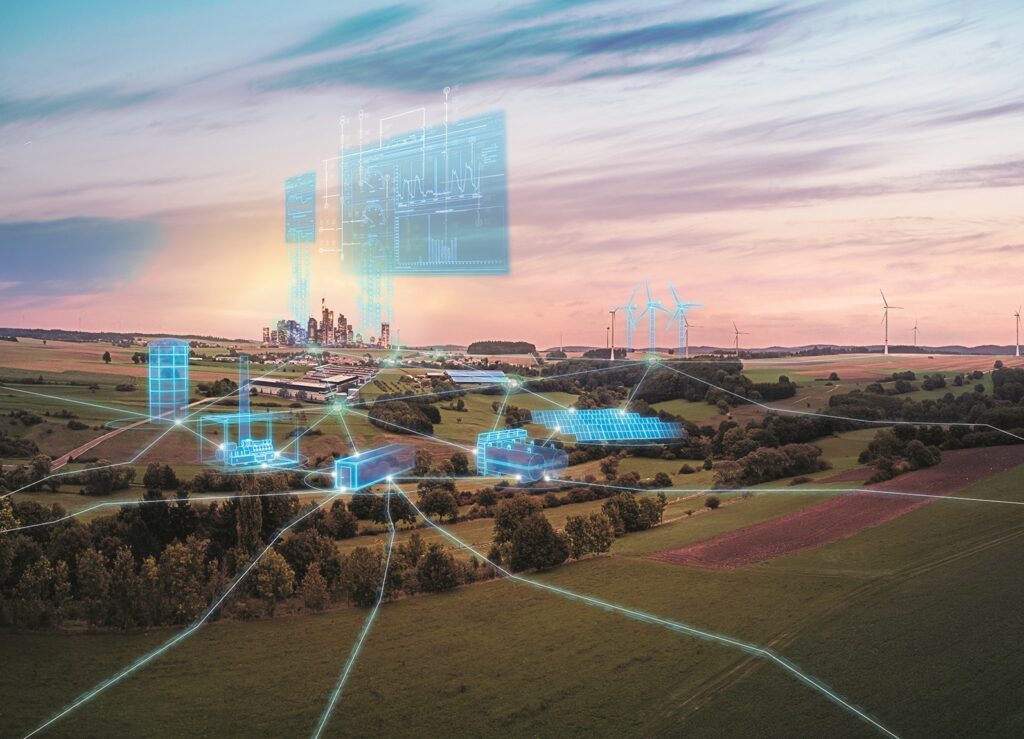
What will energy grids of the future look like? How should they be planned, built and operated? Siemens and the AIT are addressing these and many other questions as part of joint research collaborations.
Together on the path to a climate-neutral electricity future
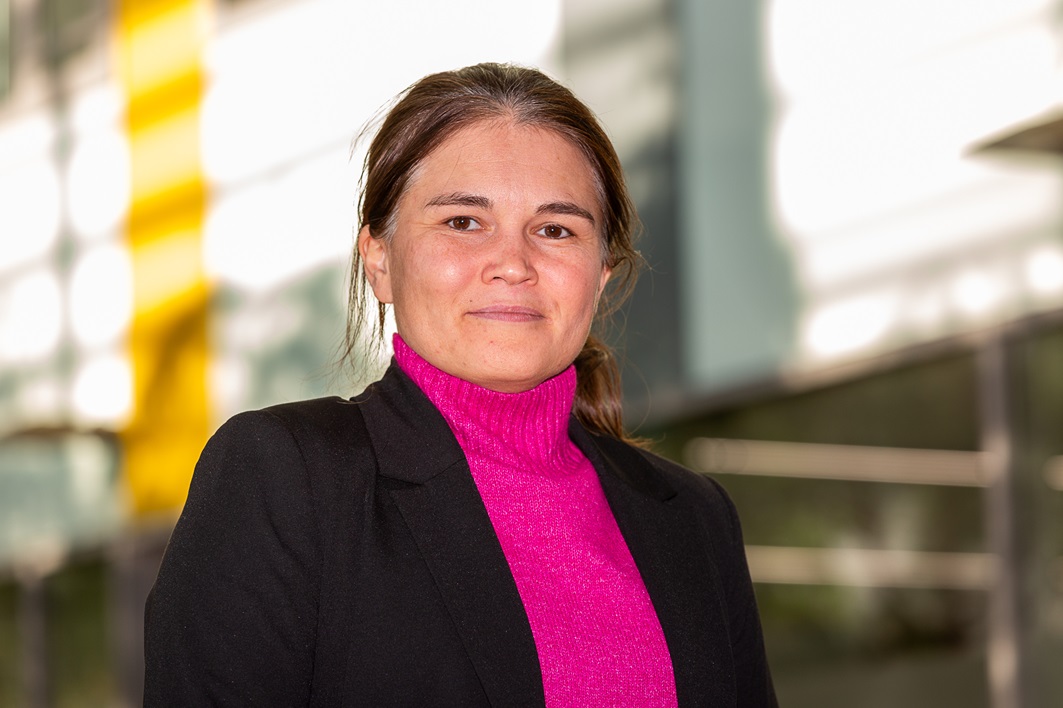
The electricity grid needs digitalized and networked systems for the increased use of renewable energy and will play a central role in the energy supply in a climate-neutral world. Showing network operators where and how the maximum benefit can be achieved with the least possible effort is just one of the goals currently being pursued in many joint research projects between Siemens and the AIT Austrian Institute of Technology. The collaboration is nothing new – on the contrary: “For decades, we have been addressing topics and looking at how best to put them into practice,” says Friederich Kupzog, Head of the Center for Energy at the AIT, summing up the common goals. “We are Austria’s largest research and technology organization and an application-oriented research institute,” continues Kupzog, “and in the course of our cooperation with Siemens, we are striving to build a practical scenario in order to research what implementation needs and what benefits are associated with it.”
“Different perspectives – the application-oriented one from Siemens and the scientific one from AIT – complement each other perfectly, which is why our cooperation works wonderfully.“
Friederich Kupzog, Head of Center for Energy, AIT
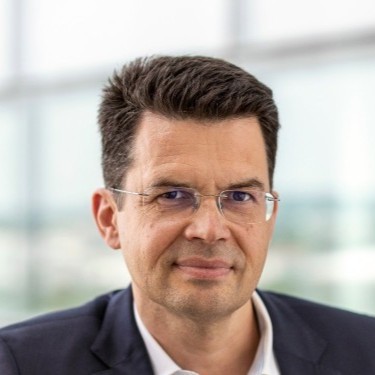
There is no predetermined pattern,” says Robert Tesch, Head of Electrification & Automation at Siemens Austria, “but there has never been a lack of interesting topics. And that won’t change in the future either.” The different perspectives of each project partner are certainly enriching for cooperation: the product and solution-oriented approach of Siemens here and the scientific perspective of the AIT there, which includes economic interest and larger contexts. “We at Siemens value the view from outside that enriches our own corporate perspective. And we have the expertise to implement the research results technologically,” says Tesch. Siemens research and innovation expert Andreas Wöhrer adds: “Various research projects have given us a very good overview of where and how we can support our customers on the market. Siemens can use this knowledge advantage to find out: Is this the right solution? Does it work as desired? Does it bring the expected benefits?”
“With the electrification of many processes, the electricity grid will play a key role in the future – this is the long-term goal of our cooperation.“
Andreas Wöhrer, Innovation & Digital Business Professional at Siemens
From research to practice
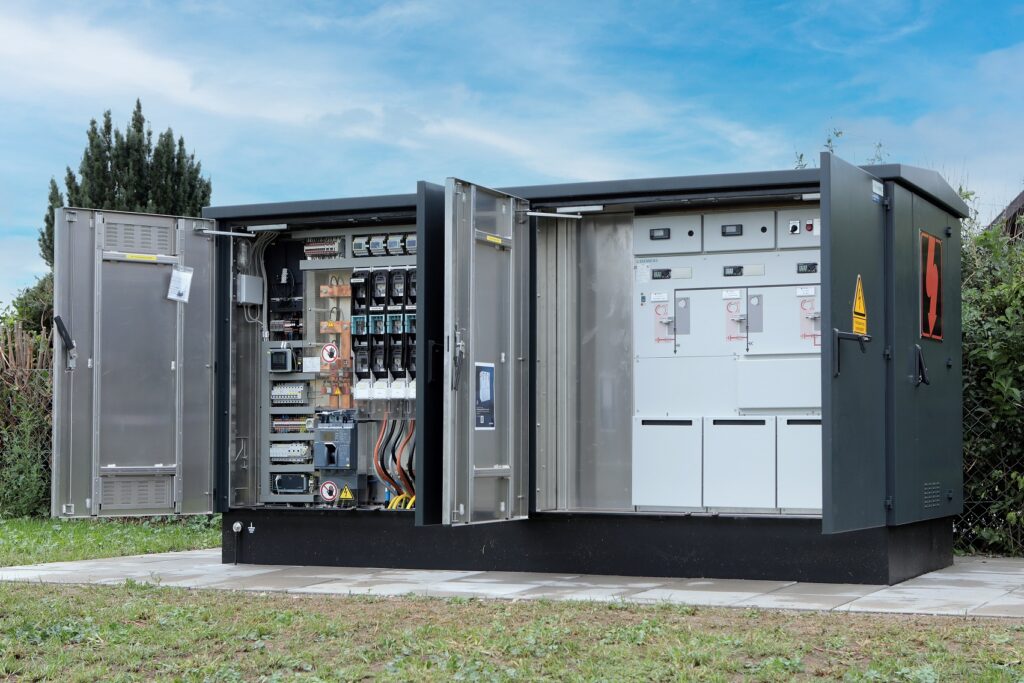
Some of the findings from successful research projects have been incorporated into the first intelligent local grid transformer station, which was recently put into operation in Fernitz. It is 100 percent remote-controllable and monitorable and can automatically regulate voltage fluctuations caused by feeders and consumers by means of an adjustable local grid transformer. The additional cloud integration enables the management, optimization and automation of the electrification infrastructure. “With the first smart factory-ready, type-tested Siemens local grid distribution station, we are helping energy suppliers – such as the Fernitz power plant – to meet the increasing demands of decarbonization and digitalization of their grids,” says Robert Tesch.
Findings from joint research projects have been incorporated into the first intelligent local grid transformer station at E-Werk Fernitz.
Another very interesting example of a research project that has already been completed is blockchain technology. “We wanted to know whether this solution can be used sensibly in energy automation and whether it is suitable for managing storage management and organizing billing,” outlines Wöhrer. In parallel to a simulation, the developments were validated under real conditions in a low-voltage grid in Styria. “The question was: Is this the best approach to solving these requirements? Together we came to the conclusion that there is another, simpler and more efficient way. Ultimately, such research results are equally valuable,” says Robert Tesch. “A project like this helps us to better understand the market and applicable technologies.”
“We researchers always need to keep an eye on the technological state of the art, which is why collaboration with a leading company like Siemens plays a key role.“
Tara Esterl, Head of the Department of Integrated Energy Systems at AIT
Tackling challenges at an early stage
One project that took a close look at upcoming challenges at a very early stage was CLUE (funded by FFG). “Back in 2019, we took up the topic of energy communities together to see what the technology and business models of the future could look like,” explains Tara Esterl, Head of the Department of Integrated Energy Systems at AIT. After all, energy communities are an essential component of the future energy system. They enable cooperation at local level in generation, distribution, storage and supply. The aim is to maximize the share of renewable energy production and optimize consumption within a community. The CLUE research project developed a toolkit for planning and operation as a basis for the successful dissemination of local, user-friendly energy communities on the one hand and broad know-how on optimized planning, design and operation on the other. “CLUE is a good example of a topic that we wanted to prepare for at an early stage,” says Robert Tesch. “Ultimately, every partner in the research project was able to benefit and we were able to develop our products and solutions in the right direction right from the start.”
“We are in the fortunate position in Austria that research funding works well. This leads to solutions for our customers and is an important locational advantage.“
Robert Tesch, Head of Electrification & Automation Division, Siemens
Making the best possible use of existing electricity grids during the ongoing grid expansion is one of the greatest current challenges and thus represents the connecting link between several joint research projects currently underway. For example, the Operational Envelopes (OpEn) project, which is also funded by the FFG, aims to develop and validate a new approach to dynamic capacity management by using the adaptability of decentralized energy resources in medium and low-voltage grids in Austria. The use of operational envelopes, i.e. the provision of dynamic, time-variable operating limits determined by data-driven models and advanced grid monitoring, is intended to optimize the use of existing infrastructure, minimize costly grid reinforcements and increase the flexibility of grid operation. “For all projects, we have plenty of opportunities to test or simulate the effects in advance before the solution is implemented in reality,” says Esterl. This ensures that there are no unexpected negative effects on the electricity grids. The AIT has a whole range of different simulations – including in real time – at its disposal for this purpose, as well as an extensive laboratory infrastructure.
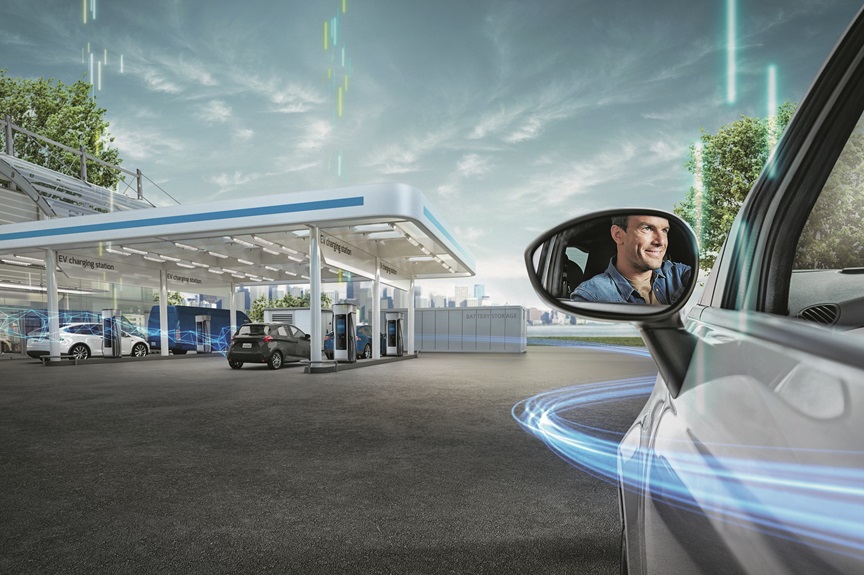
The friendlyCharge project, supported by the FFG, pursues very similar goals. In order to ensure a successful transition to electromobility and avoid bottlenecks in the electricity grid, this project focuses on developing and implementing an innovative solution for demand-oriented and grid-friendly charging in residential areas. To this end, the project partners are researching three core aspects: the technological concept for grid-friendly charging using an interface, communication security and its impact on the communication network and the regulatory framework, as well as tariff and business models. In conclusion, everyone agrees: “The joint development of expertise equips us for a climate-neutral electricity future!”